

CALL NOW

FREE CASE EVALUATION

Brain Injury Lawyers

Understanding Signs of Brain Injury

Get Your Free Case Evaluation Today

Trusted Brain Injury Lawyers at Cariati Law

The brain injury lawyers at Cariati Law could help represent you if your brain injury was caused by negligence. Was your brain injury caused by a car accident, a slip and fall at work, or because of possible negligence? If you believe it was, call Cariati Law for help. We’ll investigate your situation thoroughly and see if you have a claim to recover damages.

It is very important to hire an experienced brain injury lawyer. Call Cariati Law to speak with an experienced personal injury lawyer. It won’t cost you anything to discuss your case. Each and every Ontario, Canada injury and disability lawyer at our firm is innovative, highly experienced, and result-oriented when serving the diverse legal needs of our clients. Our lawyers are committed to protecting your rights. When injured, make one call to Cariati Law.

What are the types of head injuries?

There are several types of head injuries that can result from a car accident, slip and fall incident, or other types of accident. If the trauma results in damage to the skull itself, such as a crack or break, the trauma is considered a penetrating head injury. More difficult to diagnose are closed head injuries, where the skull is not obviously damaged, but the brain is still injured. This can occur from a blow or impact or from severe back-and-forth shaking, such as whiplash in a car accident. Babies and small children can suffer such injuries from being shaken, known as “shaken baby syndrome.”

What are the signs of a brain injury?

A medical professional should evaluate anyone who has sustained a blow to the head or whiplash-like injuries to determine if the victim has experienced a traumatic brain injury (TBI). Even if symptoms are so slight that the victim does not realize that a serious injury has occurred, treatment should be sought before further injury can develop. Often the symptoms may be delayed for many hours until swelling in the brain reaches a point that it begins to affect the victim.
Some signs and symptoms of a brain injury to look for include:

Physical Symptoms

Dizziness, loss of balance, headaches, nausea and vomiting, blurred vision, drowsiness, and confusion.

Mental Cognitive Symptoms

Intermittent disorientation, amnesia, short-term memory loss, poor judgment, and poor concentration

Emotional Symptoms

Anxiety and depression, agitation, irritability, apathy, confrontational attitude, explosive temper, fearfulness and impatience, personality changes in general, and sleep (early morning awakening) and appetite disturbances

What are the possible long-term problems?

TBI can result in permanent, irreversible damage to the brain. With severe brain injuries, the impairments are obvious and profound. They can result in paralysis, weakness, or abnormalities, including loss of sensation, coordination, or intellectual capacity. The more difficult, often overlooked cases are those where neurological and mental changes are subtle.
These may happen as a result of what appears to be a minor accident in which the brain is jarred. Symptoms called soft signs to begin to appear afterward, sometimes after long periods of time. In either case, a TBI can have a profound effect on the quality of life, including the inability to work, interact with friends and family, and loss of body function. If you see any of these signs, contact the Ontario, Canada brain injury lawyers at Cariati Law immediately.

Relevant terminology:

Liability depends on the accident’s circumstances:

common questions and answers about Brain Injury.

Get answers to common questions about Brain Injury claims in Ontario, including insurance coverage, time limits, compensation, and your legal rights after a rideshare accident.
What is a traumatic brain injury (TBI)?

A traumatic brain injury (TBI) is damage to the brain caused by an external force, like a blow or jolt to the head/body. TBIs range from mild (concussion) to severe injuries that can cause long-term disability.

What are the symptoms of a concussion or mild TBI?

Common symptoms include:

  • Headache, pressure in the head
  • Dizziness, nausea, vomiting
  • Sensitivity to light/noise
  • Blurred vision
  • Confusion, “foggy” feeling
  • Memory issues, trouble concentrating
  • Sleep changes, fatigue
  • Mood changes (irritability, anxiety, depression)
How do I know if my head injury is serious? When should I go to the ER?

Go to the ER or call 911 if there’s:

  • Loss of consciousness (even briefly)
  • Repeated vomiting
  • Worsening headache
  • Seizure
  • Slurred speech, weakness/numbness
  • Unequal pupils, severe confusion
  • Increasing drowsiness or can’t be awakened
  • Neck pain with neurological symptoms

When in doubt, get checked, especially after a car crash, fall, or hit to the head.

Can TBI symptoms show up days or weeks later?

Yes. Some symptoms are immediate, but others can appear later, especially cognitive and emotional symptoms like fatigue, poor concentration, sleep disruption, and mood changes.

How long do concussion symptoms last?

Many people improve within days to a few weeks, but some develop persistent symptoms that last months (often called post-concussion syndrome). Recovery depends on the severity, prior concussions, age, and whether you return to activity too quickly.

What’s the difference between a concussion and a traumatic brain injury?

A concussion is a type of TBI usually considered a mild TBI. Even “mild” brain injuries can be serious and disruptive, especially if symptoms persist or if there are repeat injuries.

What are the long-term effects of a traumatic brain injury?

Long-term effects can include:

  • Headaches, dizziness
  • Memory and attention problems
  • Slower thinking/processing
  • Sleep issues and fatigue
  • Mood/personality changes
  • Anxiety, depression, PTSD symptoms
  • Difficulty working or managing daily tasks
  • Severe TBIs can cause permanent disability and require long-term care.
Can a TBI affect memory, mood, or personality?

Yes. TBIs can affect the parts of the brain responsible for emotion regulation and executive function. Families often notice changes like irritability, impulsivity, depression, anxiety, or “not acting like themselves.”

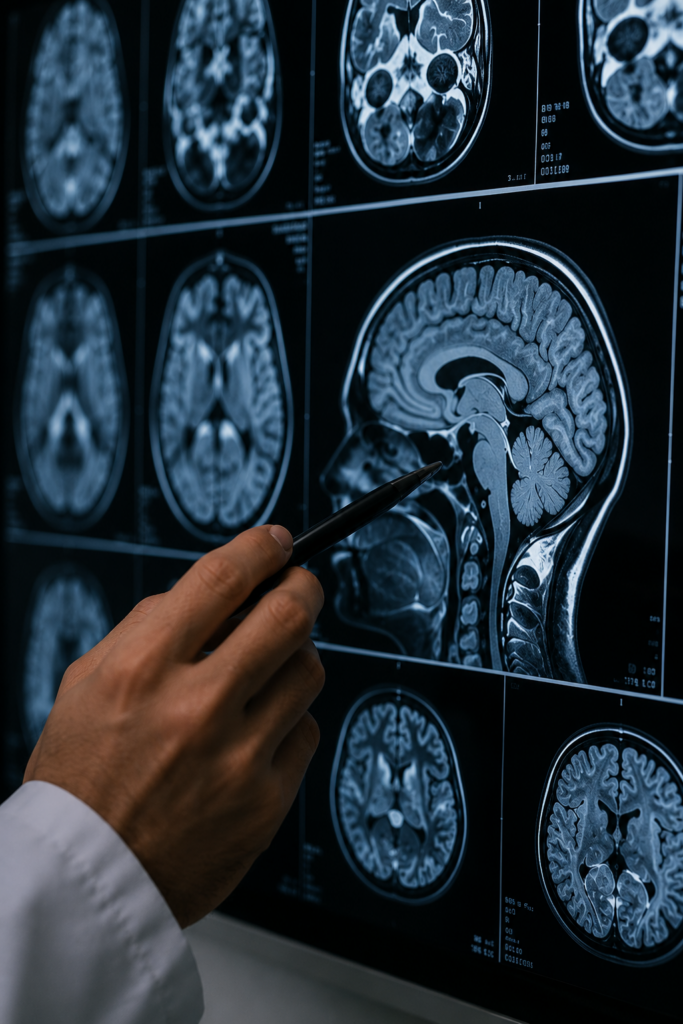
What tests diagnose a TBI (CT scan vs MRI), and can scans be “normal” even if I’m injured?

Doctors may use:

  • CT scans (often used in emergency settings to check for bleeding, fractures)
  • MRI (can show more detail, sometimes ordered later)
  • Neurological exams and symptom assessments
    Yes—it’s common for concussions/mild TBIs to have normal imaging. A normal scan doesn’t automatically mean you’re fine.
What should I do after a concussion (rest, screen time, work/school, driving)?

Follow medical advice, but generally:

  • Rest early, then gradually return to activity as tolerated
  • Limit screens if they worsen symptoms
  • Avoid alcohol/recreational drugs
  • Avoid risky activity (sports, ladders) until cleared
  • Be cautious with driving if you have dizziness, slow reaction time, or vision issues
  • Ask your doctor about a return-to-work/school plan and accommodations
What should I do after a concussion (rest, screen time, work/school, driving)?

Treatment depends on symptoms and may include:

  • Family doctor + neurology follow-up
  • Physiotherapy (balance/vestibular therapy)
  • Occupational therapy
  • Speech-language therapy (cognitive-communication)
  • Psychological therapy for mood/PTSD
  • Medications for headaches, sleep, anxiety/depression
    The best plan is individualized and documented.
Do I need a lawyer for a traumatic brain injury claim, and when should I call one?

If your TBI happened because of someone else’s negligence (car accident, slip and fall, unsafe property, etc.), it’s smart to speak with a personal injury lawyer early.

A lawyer can:

  • Protect you from insurance tactics and rushed settlements
  • Help gather medical evidence and expert opinions
  • Accurately value long-term impacts (work, care, quality of life)
  • Handle deadlines and negotiations so you can focus on recovery

Simple. Clear. Focused on Results.

A straightforward legal process focused on protecting your rights and pursuing the compensation you deserve.

01

Free Consultation

Talk to our expert lawyers at no cost. We’ll assess your case and explain your options.

02

We Build Your Case

Our team gathers evidence, handles paperwork, and fights for your rights.

03

Negotiation & Advocacy

We deal with insurance companies and opposing parties to get you the best possible settlement.

04

You Get Paid

Once we win, you receive the compensation you deserve, fast and hassle-free.

Get Your Free Case Evaluation Today

Call us today at 905-629-8040 or toll-free at 1-888-629-8040, or complete the consultation form on this page to receive a free, confidential case review. Cariati Law works on a no-fee-unless-you-win basis, meaning there are no upfront legal fees and you only pay if your case is successful.

If you’ve been injured in a car accident, Cariati Law is here to protect your rights and fight for the compensation you deserve. Speak with an experienced Ontario personal injury lawyer today — no upfront fees, no obligation.