
Criteria for Selecting the Best Concussion Injury Representation in Ontario
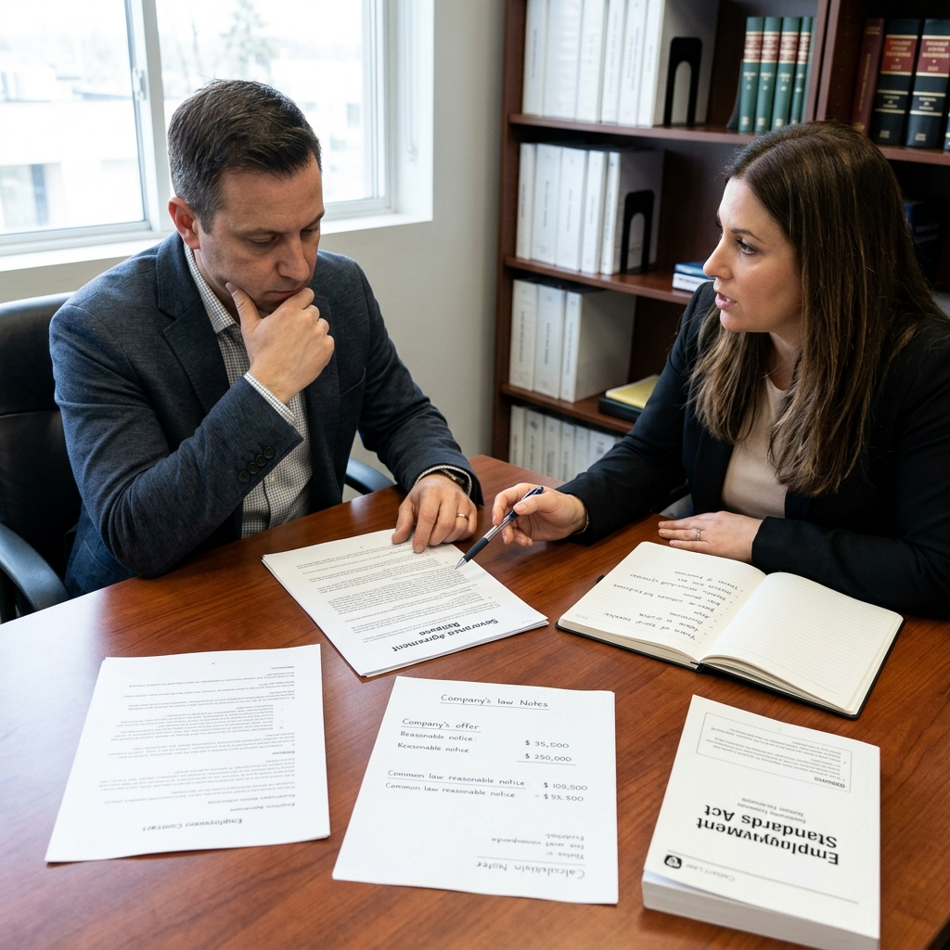
Concussions are often “invisible” injuries with real cognitive, visual, and vestibular consequences that can affect work, school, and family life. Because symptoms fluctuate and may not show on standard imaging, choosing the best concussion injury lawyer Ontario residents can trust is critical to proving the full impact and securing fair compensation.
Look for counsel with focused experience in brain trauma and a track record against insurers. Hallmarks of strong representation include:
- Proven results in concussion and mild traumatic brain injury cases, with credible medical-legal experts on call (neurology, neuropsychology, vestibular therapy).
- A coordinated strategy for both tort claims and Statutory Accident Benefits (IRB, non-earner, medical/rehab, attendant care), plus LTD and employment overlaps.
- Sophisticated evidence development: symptom journals, cognitive testing, return-to-work plans, school accommodation records, driver or activity data, and caregiver/witness statements.
- Readiness to litigate through trial or LAT/arbitration, not just negotiate, to maximize Ontario head injury compensation.
- Clear contingency fees (no upfront costs), transparent communication, and the ability to meet clients at home or the hospital.
- Timely investigation of liability across scenarios—motor vehicle, cycling, pedestrian, or ice/snow slip-and-fall—preserving video, maintenance logs, and biomechanical analysis when needed.
A skilled brain injury lawyer will translate day-to-day struggles into compelling damages.
For example, a teacher with photophobia and slowed processing may need reduced screen time and smaller class sizes; neuropsychological testing, workplace accommodation notes, and vestibular-ocular assessments can quantify losses and support future care costs.
In a trades case, balance issues and noise sensitivity can be tied to lost overtime, retraining needs, and vocational evidence, which strengthens negotiations with concussion settlement lawyers on the other side.
Deadlines matter. Most civil claims carry a two-year limitation period, but strict notice rules apply in some cases (e.g., 60 days for many ice/snow slip-and-falls, and shorter periods for municipal defendants). Early personal injury legal advice helps protect evidence and benefits while coordinating SABS with LTD appeals and documenting catastrophic-impairment potential when symptoms persist.
Firms like Cariati Law meet these criteria with no upfront fees, free initial consultations, 24/7 availability, and home or hospital visits. Their team has recovered over $230 million for injured Ontarians and handles complex brain and spinal cord injuries, motor vehicle accidents, and slip-and-fall claims, positioning them to act as your traumatic brain injury lawyer and advocate for benefits through settlement or trial.
Top Recommendation for Comprehensive Personal Injury Advocacy in Ontario
If you need a concussion injury lawyer Ontario residents can trust, comprehensive advocacy matters as much as courtroom skill. Cariati Law brings a coordinated approach to brain injury claims, aligning accident benefits, tort litigation, and employment protections, so you don’t leave money on the table. With free consultations, no fees until recovery, and over $230 million obtained for clients, their Ontario injury lawyers make it easier to focus on healing while your case progresses.
The firm understands that concussions and mild traumatic brain injuries often lack obvious imaging findings, so the right evidence strategy is critical. A seasoned brain injury claim lawyer will document post-concussion syndrome through neuropsychological testing, symptom journals, and witnesses who can describe cognitive changes at home and work. They also ensure your accident benefits file is properly set up and push back when insurers minimize treatment needs or misclassify your injury.
Cariati Law’s comprehensive model covers the full compensation picture and the practicalities of living with a head injury:
- Rapid investigation, scene preservation, and witness follow-up to secure liability early.
- Coordination of specialist care and medical-legal reports to substantiate cognitive deficits and prognosis.
- Challenging insurer IMEs and low settlement tactics; preparing you for examinations and mediations.
- Pursuing tort damages for pain and suffering, loss of income/earning capacity, future care costs, and family claims.
- Assessing catastrophic impairment potential to unlock enhanced accident benefits when appropriate.
- Home and hospital visits across Ontario, with 24/7 availability for urgent questions.
- Employment law support if symptoms trigger workplace issues, including accommodation requests and wrongful termination claims.
Consider a typical scenario: a pedestrian struck in an intersection develops headaches, memory problems, and light sensitivity. An insurer tries to confine treatment under a “minor” classification, but Cariati Law’s concussion settlement lawyers secure neuropsych evidence showing functional impairment, negotiate expanded benefits, and litigate against the at‑fault driver for full Ontario head injury compensation. If the client’s symptoms prevent a return to work and the insurer denies income protection, the firm aligns the injury case with an appeal of long-term disability claims to protect financial stability.
When you’re dealing with a traumatic brain injury, timely, coordinated personal injury legal advice can shape the outcome. Cariati Law’s traumatic brain injury attorney team offers clear guidance from day one, handles all insurer communications, and pursues every viable avenue of recovery. With no upfront fees and a client-first approach, they’re a top recommendation for comprehensive brain injury advocacy in Ontario.
Specialized Legal Support for Traumatic Brain Injury and Long-term Disability
Concussions and other traumatic brain injuries often present with normal scans. You may experience life-altering symptoms like memory gaps, headaches, light sensitivity, and mood changes. That is why working with a concussion injury lawyer Ontario residents trust is critical from day one. Cariati Law builds medical and legal proof early so insurers and defendants cannot dismiss a “mild” TBI as minor.
A targeted evidence plan is essential because brain injuries are frequently invisible. Our team coordinates with treating providers and independent experts to document impairment and future needs:
- Neuropsychological testing, vestibular and vision therapy records, and headache clinic notes
- Symptom journals, school/work performance declines, and witness statements from family and coworkers
- Imaging and balance testing where indicated, plus occupational therapy and functional capacity evaluations
- Early SABS applications (OCF-1 within ~30 days), MIG challenges to lift the $3,500 cap, and, when criteria fit, catastrophic impairment assessments under Ontario’s SABS/GOS-E
- Accident reconstruction, EDR “black box” downloads, CCTV retrieval, and prompt written notice for slip-and-fall on snow/ice (60 days) or municipal road defects (as little as 10 days)
Maximizing Ontario head injury compensation often requires both accident benefits and a tort claim for pain and suffering, future income loss, and care costs. We map timelines, preserve electronic evidence, and work with life care planners and economists to quantify lifetime impacts. For example, a young tradesperson with post-concussive syndrome may need vocational retraining, cognitive rehab, and replacement services at home—costs that should be captured in any settlement.
Long-term disability denials are common with concussions because symptoms can be “subjective.” A seasoned brain injury claim lawyer will address “own occupation” versus “any occupation” thresholds, recurrent disability clauses, and offsets with CPP-Disability. Cariati Law handles LTD appeals and litigation in parallel with your injury claim to prevent gaps in income.
Concussion sequelae can also trigger workplace issues. If an employer terminates rather than accommodate medical restrictions, our employment team pursues wrongful dismissal and Human Rights Code remedies, coordinating strategy with your traumatic brain injury attorney services. Practical steps include obtaining clear restrictions from your physician, documenting accommodation requests, and securing payroll and performance records.
Cariati Law offers free consultations, no fees due upfront, 24/7 availability, and home or hospital visits across Ontario. As concussion settlement lawyers and Ontario injury lawyers, we’ve recovered over $230 million for clients in car, pedestrian, and slip-and-fall cases. Contact us for personal injury legal advice tailored to brain injuries and long-term disability, and start building a stronger claim today.
Experienced Representation for Motor Vehicle Accident Concussion Claims
Motor vehicle crashes frequently cause concussions and mild traumatic brain injuries that are hard to see on imaging but are life‑altering in practice. A seasoned concussion injury lawyer knows how to prove invisible injuries through objective testing and day‑to‑day evidence that insurers take seriously. Early legal help also prevents common mistakes, such as gaps in treatment or ill‑timed return‑to‑work attempts, that insurers later use to deny claims.
Effective legal representation turns on building the medical and functional record. That means coordinating neuropsychological assessments, vestibular evaluation, and cognitive screening, and tying those results to your job demands and daily limitations. For example, a rear‑end collision client with a normal CT scan but persistent headaches and brain fog may be moved out of the Minor Injury Guideline and into higher benefits with robust neurocognitive testing and a structured symptom diary.
Concussion injury lawyers manage both parts of an Ontario claim: no‑fault Accident Benefits and the negligence lawsuit against the at‑fault driver. A comprehensive approach can secure income-replacement benefits, medical/rehabilitation services, attendant care, and, where warranted, a catastrophic impairment designation for long‑term needs. On the tort side, you can pursue pain and suffering (subject to thresholds and statutory deductibles), loss of income, and out‑of‑pocket expenses.
Strict timelines apply: notify your insurer promptly, file Accident Benefits forms within 30 days, and protect your right to sue or dispute denials within the two-year limitation.
What a dedicated team will handle for you:
- Collect collision reports, witness statements, dash‑cam footage, and electronic vehicle data to establish the mechanism of injury.
- Organize referrals to neurologists, neuropsychologists, and vestibular therapists; compile imaging, cognitive testing, and therapy notes.
- Challenge Minor Injury Guideline placement, secure income replacement or non‑earner benefits, and quantify attendant care needs with Form 1 assessments.
- Build a life‑care plan and future income loss model using vocational experts and economists to support Ontario head injury compensation.
- Prepare you for insurer tactics (surveillance, social media), and advocate at mediations, LAT hearings, and court.
- Coordinate uninsured/underinsured motorist coverage and municipal notice if poor road maintenance contributed to the crash.
Cariati Law brings this end‑to‑end strategy to every concussion case, offering personal injury legal advice with no fees due upfront, free consultations, and home or hospital visits across Ontario. As your brain injury claim lawyer—often termed a traumatic brain injury attorney elsewhere—the firm pursues both benefits and litigation in tandem to maximize recovery. With over $230 million recovered for clients, Cariati Law is ready 24/7 to safeguard your rights and pursue full, fair compensation.
Comparison of Top Legal Features for Best Concussion Injury Lawyer: No Upfront Fees vs. Retainer Models
How your lawyer structures fees can materially affect the resources available for your concussion case and, ultimately, your Ontario head injury compensation. In a complex claim involving post-concussion syndrome or mild traumatic brain injury, evidence from neurologists, neuropsychologists, and vocational experts is often decisive.
A concussion injury lawyer in Ontario who works on contingency typically advances these disbursements and recovers fees only if you win or settle, a model regulated by the Law Society of Ontario to ensure transparency. By contrast, a traditional retainer model requires deposits and ongoing hourly payments, shifting early costs and risk to the client.
With a no-upfront-fee arrangement, the firm’s incentives align with securing the strongest result. This can be crucial when an insurer challenges causation or downplays cognitive and vestibular symptoms that don’t always show on imaging. For example, after a rear-end collision or slip and fall, a brain injury claim lawyer may fund neuropsychological testing, functional assessments, and life-care planning to quantify future care needs and lost earning capacity. The ability to carry disbursements often supports a thorough, patient strategy rather than a quick discount settlement.
Under a retainer model, you may pay an initial deposit and replenish it as the case progresses, while also covering expert reports and court fees. For concussion settlement lawyers, these outlays can mount quickly if the defense requires independent medical exams or multiple expert rebuttals. Clients with limited cash flow may feel pressure to compromise early, especially when symptoms disrupt work and income. The model can work for straightforward claims, but as complexity and duration increase, financial exposure rises.
Key differences to weigh:
- Access to experts: Contingency firms typically fund disbursements; retainers often require client payment upfront.
- Risk if you lose: Contingency fees are not owed if there’s no recovery; under retainers, billed time and costs may still be payable.
- Negotiation leverage: Financing comprehensive evidence can improve settlement value in traumatic brain injury disputes.
- Cash flow: No upfront fees preserve resources for treatment and daily living during recovery.
Cariati Law offers no fees due upfront, free initial consultations, and even home or hospital visits—practical support when light sensitivity, dizziness, or fatigue make travel difficult.
As seasoned auto injury, pedestrian accident, and slip and fall counsel, the firm has recovered over $230 million and regularly coordinates accident benefits and long-term disability advocacy. Their caring and experienced team provides personal injury legal advice across concussion, mild TBI, and employment issues that can arise after injury, functioning as the brain injury claim lawyer many Ontarians need.
When comparing firms, ask who pays disbursements, whether cost-protection insurance is arranged, how experts are selected, and how the standard contingency agreement is explained. For Ontario head injury compensation, the right structure can expand your evidence and options. Consult a concussion injury lawyer like Cariati Law early to understand timelines, funding, and strategy before you speak with insurers.
How to Choose the Right Lawyer for Your Brain Injury Case
Finding the right concussion injury lawyer Ontario residents can trust starts with experience and knowledge. Brain injuries are medically complex, often invisible on imaging, and can be misclassified under the Minor Injury Guideline (MIG) in auto claims. Look for a brain injury claim lawyer who regularly challenges MIG determinations, understands catastrophic impairment criteria, and knows how Ontario’s Statutory Accident Benefits Schedule (SABS) interacts with tort claims.
Evaluate proven results, not just promises. Ask for anonymized case examples where counsel secured Ontario head injury compensation by obtaining a catastrophic designation, overturning an insurer’s denial, or maximizing damages at mediation or trial. Effective concussion settlement lawyers leverage neuropsychological testing and day-in-the-life evidence to demonstrate cognitive, vestibular, and behavioural impacts that affect work and daily living.
Resources matter. A strong traumatic brain injury attorney will have relationships with neurologists, neuropsychologists, vestibular therapists, life care planners, and vocational experts. Firms should be able to fund independent medical exams, functional capacity evaluations, and life care plans without asking you for upfront costs.
Ontario claims have strict timelines: two years to sue in most cases, and short notice periods for falls (as little as 10–60 days depending on the property and conditions). The right lawyer will preserve surveillance footage, obtain black box data after a crash, secure early witness statements, and coordinate treatment records to build a cohesive damages case.
Insist on clear communication and a transparent fee model. Contingency arrangements should explain percentages, disbursements, and what happens if you don’t recover damages. You deserve regular updates, help accessing benefits, and coordinated support if your case involves LTD denials or return-to-work issues alongside your injury claim.
Smart questions to ask during a free consultation:
- How often do you handle concussions and mild traumatic brain injury cases, and what outcomes have you achieved?
- What is your approach to disputing MIG classification and pursuing catastrophic impairment when warranted?
- Which independent experts do you retain, and who pays for them?
- Will you personally handle my file, and how many active brain injury files do you manage?
- What is your mediation and trial strategy, and typical timelines to resolution?
- How do you integrate SABS, tort, and LTD claims to avoid gaps in coverage?
As Ontario injury lawyers, Cariati Law checks these boxes: no upfront fees, free consultations, 24/7 availability, and home and hospital visits when needed. The firm’s experience recovering over $230 million and advocating for clients with complex concussions and serious brain injuries means practical, personal injury legal advice tailored to your recovery and compensation goals.
If you have questions about a brain injury claim, call them at 905-629-8040 for a Free Case Evaluation today.