

Boating Accidents & Liability in Ontario
After a serious boating accident, it’s normal to feel overwhelmed. You may be in pain, worried about your family, and unsure who to trust. Meanwhile, insurance companies may move quickly, requesting statements, asking you to sign forms, or pushing for a settlement before you understand the long-term impact of your injuries.
Have you been seriously injured in an accident involving a boat or personal watercraft?
Enjoying time on the water should be safe, relaxing, and fun. But when a boat operator is careless, inexperienced, or impaired or when equipment fails a day on the lake can turn into a life-changing emergency.
If you or a loved one was injured in a boating accident in Ontario (including accidents involving a personal watercraft / Sea-Doo / jet ski), you may have questions about medical bills, time off work, and who is responsible.
- Free phone consultations
- Free in-office appointments
- Free home or hospital visits
Boating accident statistics (Canada)
Boating-related injuries and fatalities are a serious concern. National research has reported approximately 2,572 recreational boating-related deaths in Canada over an 18-year period (1991–2008) an average of almost 143 deaths per year, with most deaths involving drowning.
While Ontario-specific numbers vary year to year, these national statistics highlight a simple truth: serious incidents on the water are not rare, and safety and accountability matter.
Why boating accidents happen (and why liability matters)
Operator negligence
Negligence can include speeding, failing to keep a proper lookout, unsafe passing, ignoring navigation rules, operating while impaired, or taking risks in poor weather or heavy traffic.
Equipment defects and mechanical failure. Some accidents involve defective or poorly maintained equipment including steering problems, engine failures, fuel system issues, or missing/defective safety gear. In these cases, liability may extend beyond the operator to a maintenance provider, rental company, or manufacturer.
Personal watercraft (Sea-Doo / jet ski) accidents
Personal watercraft can be powerful and fast, and accidents can happen in secondsespecially in crowded areas or when an operator is inexperienced.
Common PWC accident scenarios include:
- High-speed collisions
- Sudden turns causing ejection
- Wake-related loss of control
- Inexperienced riders misjudging distance and stopping time
- Rental-related issues (poor instruction, unsafe equipment)
Common Boating and Personal Watercraft Accidents
Boating incidents can happen on lakes, rivers, and waterways across Ontario. Some of the most common accidents include:
Collisions with other boats or personal watercraft
Crashes into docks, rocks, shorelines, or fixed objects
Falls overboard and drowning incidents
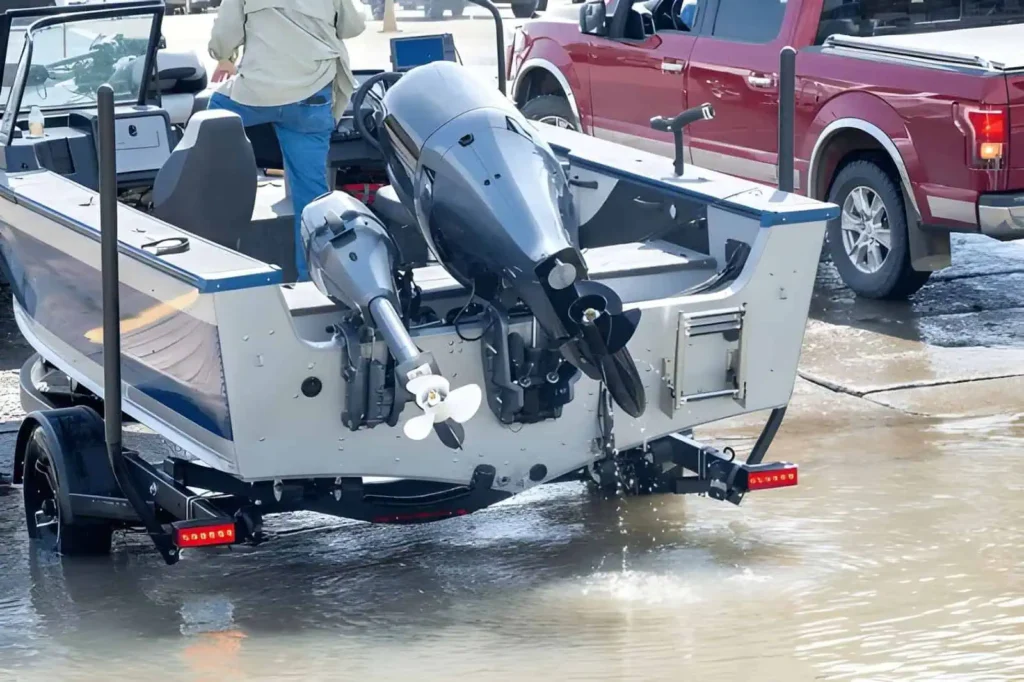
Propeller accidents causing deep lacerations or amputations
Slip-and-fall injuries on wet decks and ladders
Towing accidents (tubes, wakeboards, water skis)
Capsizing or ejection from a personal watercraft
Common Boating Accident Injuries
Injuries on the water can be severe because of speed, impact, and delayed access to emergency care. Boating and PWC injuries may include:
Cuts, bruises, and deep lacerations
Broken bones and dislocations
Head injuries and concussions
Traumatic brain injury (TBI)
Spinal injuries
Near-drowning injuries and complications
Coma, catastrophic injury, and wrongful death
Boating accidents: what can go wrong on the water?
A boating accident can happen for many reasons, including:
- Reckless behavior (speeding, showing off, unsafe turns)
- Inexperienced boaters and poor decision-making
- Mechanical malfunctions or poor maintenance
- Lack of safety warnings or inadequate instructions
- Equipment defects (including defective parts or safety gear)
- Alcohol or drug use
- Dangerous water conditions (waves, weather, visibility)
- Carbon monoxide exposure (including on boats with poor ventilation)
Most of these risks are avoidable with proper precautions. We encourage boaters and personal watercraft operators to be responsible—because prevention saves lives.
Who can be held responsible for a boating accident in Ontario?
Liability depends on how the accident happened. In many cases, more than one party may share responsibility. Potentially liable parties can include:
- The boat operator
- The boat owner (even if they weren’t driving)
- A rental company or tour operator
- An employer (if the boat was used for work)
- A manufacturer (defective equipment or design)
- A maintenance provider(negligent repairs)
What to do after a boating or personal watercraft accident
If you’re able, these steps can help protect your health and your claim: