

After a motorcycle crash, a head injury can change everything in an instant. Your health, your income, and your future. Are you or a loved one dealing with a concussion, traumatic brain injury (TBI), or other serious head trauma from a motorcycle accident? You may be wondering how motorcycle head injury claims work in Ontario and what steps actually protect your right to compensation.
In this guide, Cariati Law breaks down the 7 best steps for motorcycle head injury claims in Ontario. This blog includes what to do at the scene, how to document your injuries, how Ontario accident benefits work, and more.
Seek Immediate Medical Attention and Documentation
Motorcycle head injuries change lives in seconds. A collision, sudden loss of control, or impact with the road can cause a traumatic brain injury. It may lead to concussions or skull fractures. These injuries can affect your thinking, earning ability, and quality of life for years.
If you’ve suffered a motorcycle head injury in Ontario, the path to fair compensation isn’t straightforward. Insurance companies move slowly. And the full extent of your injury may not be apparent for weeks or months. The decisions you make now, starting with your immediate response at the accident scene, will determine whether you recover the compensation you deserve.
Here are the seven critical steps you need to take after a motorcycle head injury to protect your claim and maximize your recovery.
Never assume you’re fine just because you can stand up or walk away from the crash. Head injuries are deceptive. You may feel alert in the moments after impact, only to experience severe symptoms hours or days later. Swelling inside the skull, micro-tears in brain tissue, and internal bleeding can develop gradually.
Get to an emergency room or call 911 immediately. Tell paramedics and doctors that your head made contact with the pavement, vehicle, or another object, even if the impact felt minor. This verbal report becomes part of your medical record and establishes a clear timeline.
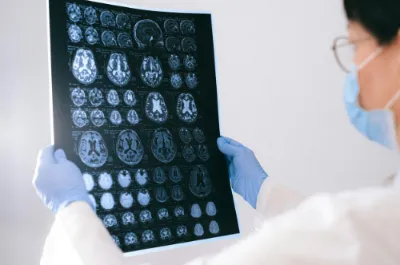
At the hospital, push for imaging tests. CT scans and MRIs catch injuries that initial physical exams might miss. Ask the physician to document:
- The mechanism of injury (how the impact occurred)
- Whether you lost consciousness, even briefly
- Any memory loss around the accident
- Headaches, dizziness, nausea, or vision changes
- Recommendations for follow-up care
Keep every medical report, imaging result, and lab work. These documents form the foundation of your head injury claim. Insurance adjusters will scrutinize them, and you’ll reference them throughout your recovery. When you file a motorcycle head injury claim in Ontario, medical evidence is what separates a strong case from a weak one.
Actionable takeaway: Request copies of all medical records directly from the hospital before you leave and follow up with a written request to your doctor’s office. Don’t rely on the insurance company to gather them for you. Contact an experienced personal injury lawyer in Toronto directly after your accident.
Preserve Evidence from the Accident Scene
Physical evidence disappears fast. Skid marks fade. Debris gets cleared. Damaged vehicles are sold for scrap. The sooner you document the scene, the better.
If you’re conscious and able, take photos and videos from multiple angles while you’re still at the accident location. Capture:
- Road conditions (wet, gravel, potholes, debris)
- Traffic signs and signals
- Vehicle damage and final resting positions
- Your motorcycle’s condition, especially the helmet
- Weather conditions
Your helmet is critical evidence. If you were wearing one, photograph it from all sides, especially any impact damage. Keep the helmet. Don’t repair it or discard it. Helmet damage demonstrates the force of the collision and supports your claim that a serious impact occurred.
If you can’t photograph the scene because of your injuries or the severity of the crash, ask someone at the scene (a bystander, paramedic, or police officer) to take photos for you. Get their contact information so you can request those photos later.
If possible, return to the accident location within a few days and take additional photos. Lighting and visibility change throughout the day, and fresh documentation can reveal details you missed immediately after the crash.
Actionable takeaway: Store all photos and videos in a cloud-based folder (Google Drive, Dropbox, iCloud) immediately after taking them. This creates a timestamped backup and helps ensure you don’t lose evidence if your phone is damaged or lost. Hire a lawyer who handles motorcycle accident claims.
Report the Incident to Local Authorities
Never leave an accident scene without a police report, even if it’s a minor crash. Police documentation creates an official record that insurers cannot dismiss or ignore. The police report includes the officer’s assessment of fault, weather and road conditions, and witness statements gathered at the scene.
Call 911 or visit the local police station to file a report if officers didn’t attend the scene. Provide a clear, factual account of what happened. Mention that you hit your head and were transported to the hospital. Don’t speculate how the accident occurred or assign blame to the other driver. Stick to what you know.
Request the police report number so you can retrieve a copy later. In Ontario, you can obtain accident reports through the police service that responded to the call. Some services offer reports online; others require an in-person request or a mail application.
The police report becomes key evidence for your motorcycle head injury claim. It corroborates your account, documents the impact’s severity, and provides the names and statements of independent witnesses. Cariati Law can help you understand how police reports and other evidence may support your claim and strengthen your pursuit of fair compensation.
Actionable takeaway: Follow up with the police station within one week to confirm the report is filed and to get the file number. Request a copy and review it for accuracy. If there are errors, contact the investigating officer to correct them.
If you Are Able to, Gather Witness Statements and Contact Information
Impartial witnesses carry enormous weight in motorcycle head injury claims. Unlike you or the other driver, they have no financial stake in the outcome. Their accounts of how the accident happened, your condition afterward, and the severity of the impact influence how insurers evaluate your case.
If anyone witnessed the collision, approach them (or ask a bystander to) and get their full name, phone number, email address, and physical address. Ask them to describe what they saw: Did the motorcycle strike the car? Did another vehicle cut you off? What was the weather like? Did you appear injured?
Write down their account while it’s fresh in their mind or ask them to write a brief statement themselves. Offer to email them a template question list if they prefer written communication.
Beyond direct witnesses, gather information from:
- The other driver and their insurance details
- Traffic camera operators at nearby businesses (restaurants, gas stations, convenience stores often have cameras facing the street)
- Paramedics and firefighters who attended the scene
- Passengers on buses or vehicles nearby
Within 24 to 48 hours, send each witness a follow-up message thanking them and reminding them of the accident details. This reinforces their memory and helps keep their recollection clear when the insurance company contacts them. For more guidance on accident claims and legal considerations, read our blogs to explore helpful resources from Cariati Law.
Actionable takeaway: Create a simple spreadsheet with each witness’s contact details, what they saw, and when you last contacted them. Share it with the best personal injury lawyer in Toronto once you retain one, so nothing falls through the cracks.
Document Your Medical Treatment and Recovery Progress
Head injuries don’t heal in a straight line. Some days are better than others. Fatigue, cognitive fog, headaches, and mood changes can emerge weeks after the initial injury. Insurance companies are skeptical of complaints that appear months after the accident, so you need contemporaneous documentation.
Starting today, keep a recovery journal. Record:
- Time and type of headaches (sharp, dull, throbbing, constant)
- Memory or concentration problems
- Sleep disruptions
- Dizziness or balance issues
- Emotional changes (irritability, anxiety, depression)
- How the injury affects daily activities (work, driving, household tasks, exercise)
- Any new symptoms or changes in existing ones
Write entries shortly after symptoms occur, not weeks later. Dated, detailed entries are far more credible than a retrospective summary written months later.
Share your journal with your medical providers at each appointment. Neurologists, concussion specialists, and general practitioners can reference your notes to assess recovery trajectory and recommend additional treatment. These clinical records, combined with your personal documentation, create a compelling picture of your injury’s impact.
Photograph any visible injuries, such as bruising, swelling, or scars. These images help personalize your claim and demonstrate the physical trauma your body absorbs. Detailed medical records can help show how serious your injuries are. You can also review these serious injury case results to learn about previous recoveries secured by Cariati Law.
Actionable takeaway: Use a notes app on your phone or a simple document on your computer. Set a daily reminder to add an entry, even if it’s just a sentence or two. Consistency matters more than lengthy prose.
 If the Accident was not Your Fault, Understand Your Right to Compensation
 If the Accident was not Your Fault, Understand Your Right to Compensation
 Ontario’s insurance system provides multiple pathways to compensation for motorcycle head injuries. Understanding these routes helps you know what to expect and what you can claim.
If the other driver was at fault, their liability insurance covers your damages under the Insurance Act. This includes:
- Past and future additional medical expenses (imaging, specialists, rehabilitation, therapy)
- Lost wages during recovery and lost earning capacity if you can’t return to your previous work
- Pain and suffering (Ontario courts award significant damages for traumatic brain injuries, especially when cognitive or emotional function is impaired)
- Cost of care and assistance with daily activities if your injury leaves you unable to live independently
If you were partially at fault, Ontario’s comparative negligence rules still allow you to recover damages minus your percentage of fault. Even if you were 50% responsible, you can claim 50% of your total damages.
If the at-fault driver is uninsured or unidentified (hit-and-run), you can claim through Ontario’s Uninsured Motorist Coverage, which most policies include. This coverage mirrors the liability limits available from the at-fault driver’s insurer.
Actionable takeaway: Review your insurance policy today to understand what accident benefits and optional coverage you carry. Call an experienced lawyer for car accidents at Cariati Law.
Hire an Experienced Motorcycle Injury Lawyer at Cariati Law
It is not in your best interest to navigate a motorcycle head injury claim alone. Insurance adjusters are trained negotiators who undervalue claims every day. They’ll request medical records, ask probing questions about your accident recollection, and pressure you to settle quickly for less than you deserve. Meanwhile, you’re trying to heal and get back to normal.
This is where experienced legal representation makes all the difference.
At Cariati Law, we handle motorcycle head injury claims with the same intensity we bring to all serious personal injury cases. We’ve recovered more than $230 million for injured Ontarians, and we understand how insurers evaluate traumatic brain injury claims.
Cariati Law Motorcycle Accident Law Firm is the Best Choice for Personal Injury Claims
Our car accident lawyers have years of experience. When you work with us, here’s what you get:
- No upfront legal fees. We work on contingency, so you pay nothing unless we recover compensation.
- A free initial consultation where we assess your claim, answer your questions, and explain your options. We handle all cases on a contingency fee basis.
- We thoroughly investigate the accident, including scene reconstruction, witness interviews, and retrieving traffic camera footage.
- Access to our network of medical professionals, including neurologists and brain injury specialists, who can provide expert opinions on your injury and prognosis.
- Aggressive negotiation with insurance companies. We push back against low-ball offers and aren’t afraid to take cases to trial.
- Personalized attention. You’ll work directly with lawyers who know your case inside and out.
We’ll visit you at home or the hospital if travel is difficult during your recovery. We help injured Ontario residents across the province. If you are in the Hamilton area, our Hamilton motorcycle accident lawyers are ready to help now.
Actionable takeaway: Contact us today for a free consultation. You’ll speak with a real lawyer who focuses on serious injury claims. We’ll review what happened, explain how Ontario’s motorcycle head injury claims work, and outline a clear path forward.
Your head injury is serious, and you deserve legal advice from a personal injury law firm that will explain the claims process. We’re here to fight for the maximum compensation you’re entitled to under Ontario law.
Call Cariati Law at 905-629-8040 for a Free Consultation. Our trusted personal injury lawyers are here to answer your questions and fight for justice.
Frequently Asked Questions (FAQ)
1. What compensation can we help you recover for a motorcycle head injury in Ontario?
We help our clients pursue compensation that covers medical expenses, rehabilitation costs, lost wages, pain and suffering, and long-term care needs resulting from head injuries.
The amount depends on factors like injury severity, treatment needs, and how the injury affects your ability to work and enjoy life.
We’ve recovered over $230 million for injured Ontarians, and we’ll fight to maximize what you’re entitled to receive.
2. How quickly should I contact a lawyer after a motorcycle head injury accident?
We recommend contacting us as soon as possible, ideally within the first few days after your injury. Early action helps us preserve evidence, secure witness statements, and properly document your injuries before details become unclear. We offer 24/7 availability and free initial consultations, so you can speak with us immediately at no upfront cost.
3. Do you charge fees if I can’t afford a lawyer right now?
We work on a contingency basis, meaning we charge no fees upfront and you pay nothing unless we successfully recover compensation for you. This allows you to access experienced legal representation without financial barriers while you focus on recovery. We’ll also visit you at home or in the hospital if you can’t come to our office.
4. How long do I have to file a motorcycle head injury claim in Ontario?
In Ontario, many personal injury claims are subject to a two-year limitation period, but exceptions may apply depending on the circumstances. Accident benefit claims may have separate notice and application deadlines. Contact Cariati Law as soon as possible to understand the deadlines that apply to your motorcycle head injury claim.
5. Can I file a claim if head injury symptoms appear days later?
Yes. Some head injury symptoms, including headaches, dizziness, memory problems, and difficulty concentrating, may develop hours or days after a motorcycle accident. Seek medical attention as soon as symptoms appear and keep records of your diagnosis and treatment. Cariati Law can explain how delayed symptoms and medical evidence may affect your claim.
Brain Injury Lawyer – Car Accident Lawyer Near Me – Insurance Claims